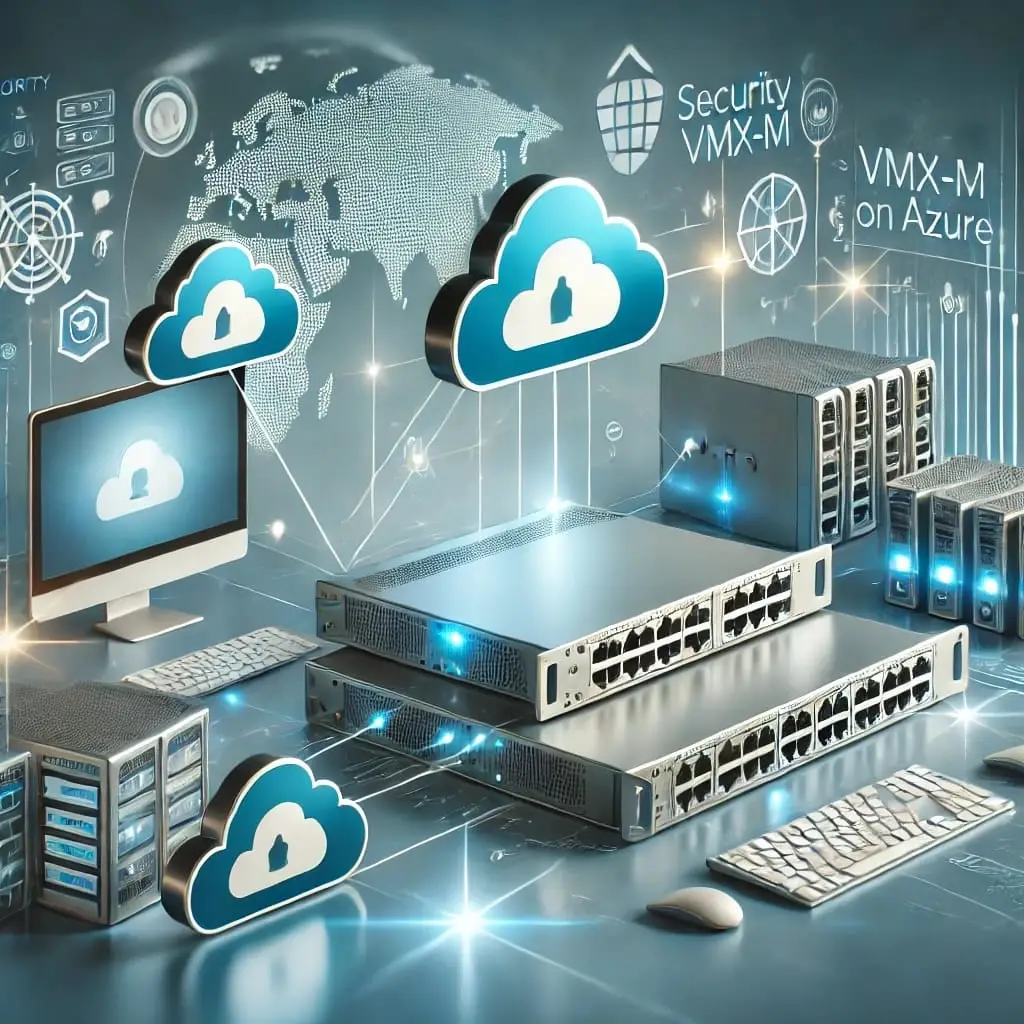
I recently moved a client from the Meraki vMX100 to the new vMX-M. The vMX100 still works, but it is end-of-sale and stuck on older instance types. I would rather move clients on my own schedule than scramble later. Here is how the swap went, the dates that matter, and the one thing that trips people up.
Where the vMX100 stands
Cisco Meraki stopped selling the vMX100 on December 22, 2020. Support runs until December 22, 2027. So it is not urgent, but it is a dead end:
- End of sale announced: September 29, 2020
- End of sale: December 22, 2020
- End of support: December 22, 2027
The catch is the instance type. You cannot move a vMX100 onto AWS C5 instances or the newer regions that come with them. To get C5 and those regions, you delete the vMX100 and redeploy as a vMX-S, M, or L. One detail worth knowing: in Azure, vMX100 and vMX-M are equivalent. The difference shows up in AWS, where vMX-M adds C5 and broader regional coverage.
The migration, step by step
There is no in-place upgrade. You remove the old appliance and add the new one. On this job:
- Deleted the vMX100 instance on the host platform, then removed it in the dashboard: Security & SD-WAN > Monitor > Appliance status > Remove appliance from network.
- Added the vMX-M license to the client’s Meraki org.
- Deployed the new appliance with Add vMX-M. It pulled the existing settings automatically.
- Re-enabled site-to-site VPN. It drops during the swap, so the spokes lose the tunnel until the new appliance is up.
- Set the supported firmware and tested routing and VPN to the hubs and spokes.
The part that bites you
The site-to-site VPN goes down during the swap. Plan the cutover for a maintenance window and tell the client the spoke sites lose their tunnel for a few minutes. That one heads-up saves a panicked phone call.
How it ended
After the swap, routing and the site-to-site VPN came back without manual fixes. No lingering tickets. The client got better throughput and the regions they needed, and they are off a product that is on the clock.
Running a vMX100 and want to move before 2027 on your own terms? That is the kind of migration I do.
Reference: Meraki vMX100 to vMX-S/M/L Transition FAQ.