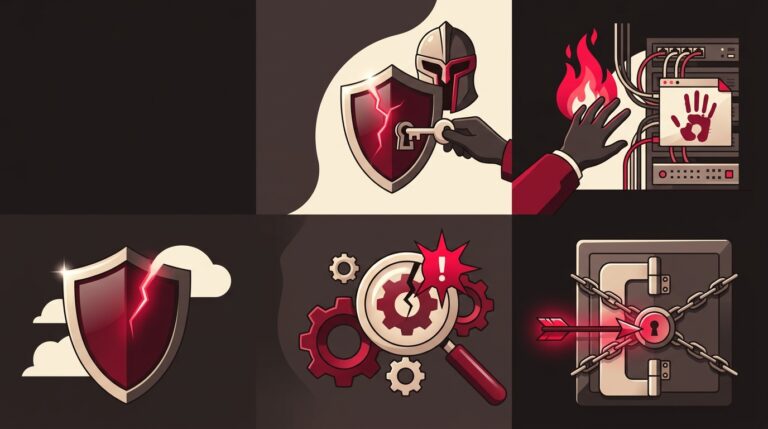

Most small businesses assume real cybersecurity means an enterprise budget and a full-time security team. It does not. A handful of the right basics, done consistently, stops the large majority of attacks that actually hit businesses your size. Here is where I would put the money first.
Find the gaps before an attacker does
Start with an honest look at what you have: which devices, which accounts, what is exposed to the internet, and where the sensitive data lives. Most businesses are surprised by what turns up: an old admin account nobody disabled, a server reachable from outside, a password three people share. You cannot protect what you have not mapped.
The basics that block most attacks
- Multi-factor authentication everywhere. This one step blocks the vast majority of account takeovers, and it is cheap or free.
- Endpoint protection on every device. A modern tool that catches malware and ransomware before it spreads.
- Email filtering. Most attacks arrive by email, so stopping them there pays off fast.
- Patching. Keep Windows, apps, and firmware current. Unpatched holes are how a lot of breaches start.
- Backups you have actually tested. If ransomware hits, a working backup turns a disaster into an afternoon.
Encrypt and watch the important things
Encrypt sensitive data so a lost laptop or a stolen drive is not a breach. And set up alerts for unusual access, so a strange login at 3am gets noticed instead of discovered weeks later.
Scale it to your size and budget
You do not need every product on the market. The right setup matches your actual risk and your budget, covers the common ways businesses get hit, and leaves room to add more as you grow. If you are in a regulated field like healthcare or finance, these same basics also cover most of what HIPAA or PCI expects.
If you are not sure where your business stands, that is exactly the kind of check I do: find the gaps, fix the cheap high-impact ones first, and give you a plan for the rest.