
Ransomware has changed. It used to just encrypt your files and demand payment for the key. Now the crews also steal your data first and threaten to publish it, so even a clean backup does not make the problem go away. Here is how it actually works today and how to keep your business off the casualty list.
How it gets in
The entry points are boringly consistent: a phishing email someone clicks, a remote-access service left exposed to the internet, or an unpatched system with a known hole. Ransomware-as-a-Service has also lowered the bar, so an attacker no longer needs skill, just a few hundred dollars and bad intent.
Double extortion
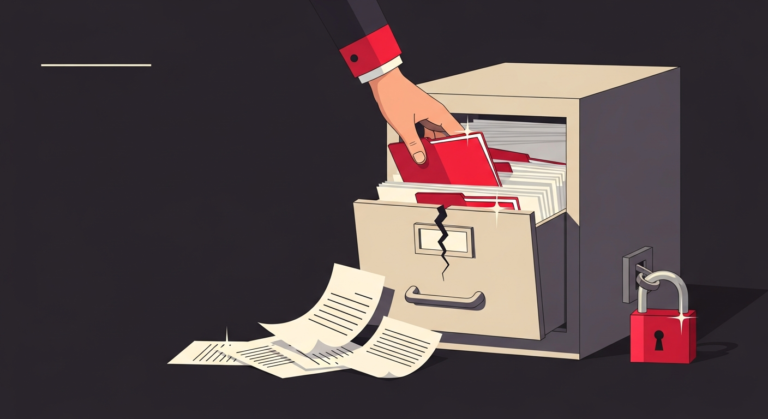
The modern twist is they copy your data before they lock it. Then it is two threats: pay to get your files back, and pay again so they do not leak your customer data. That is why having backups is necessary but no longer sufficient. You also have to keep them from getting in and taking the data in the first place.
How to not be the easy target
- MFA everywhere. It shuts down the stolen-password path that opens a lot of attacks.
- Patch and close exposure. Take remote-access services off the open internet and keep systems current.
- Segment the network. If one machine is hit, segmentation keeps it from spreading to everything.
- Backups, offline and tested. Keep a copy ransomware cannot reach, and confirm it restores.
- Train the team. The click is still the most common way in.
Have a plan before, not during
If it does happen, the businesses that recover fastest are the ones who decided in advance who to call, how to isolate systems, and how to restore. Figuring that out mid-attack is how a bad day becomes a bad month.
If you want to know how exposed your business is to ransomware and close the obvious doors, that is the kind of review I do.