The threat arrives before the box is even opened
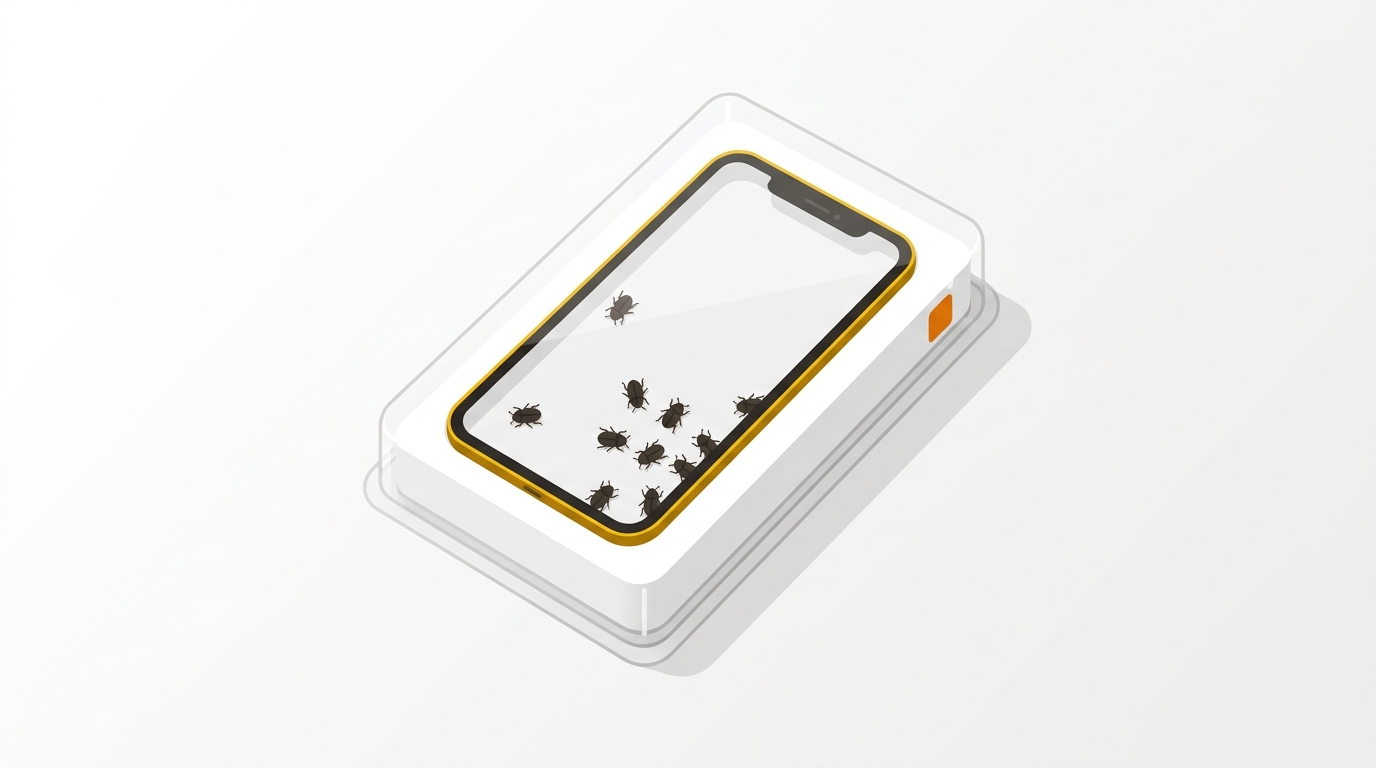
Bitdefender published research in October 2026 tracking a campaign they named Midnight Mimosa. The short version: certain low-cost Android phones, mostly built on MediaTek platforms, are shipping with malware already embedded in the firmware. Not downloaded later. Not installed by a careless user. It’s there on day one, running with system-level privileges before anyone touches the device.
If your business hands out cheap Android phones to staff, or if employees bring their own budget devices and connect them to your Wi-Fi or email, this is directly relevant to you. A compromised phone on your network can become a relay node in a botnet, route attacker traffic through your IP address, and silently report on what apps are installed across the device.
What this malware actually does
The malicious component, identified as com.android.system.lite, runs at the system level. That means it can install and remove apps without any user prompt, grant itself access to accessibility services, SMS, and notifications, and pull down additional payloads from a remote server whenever the operators want.
Bitdefender found at least 32 disguised apps cycling through infected devices. The monetization scheme runs through ad fraud: dropper apps load invisible windows over real apps, registering ad impressions that never actually reach a human eye. But the part that matters most for a business network is the proxyware component. Infected devices become residential proxies, meaning outside parties can route internet traffic through them. Your company’s IP address could be used for purposes you have no visibility into.
The malware also temporarily disables Google Play Protect before installing payloads, then re-enables it afterward. That’s deliberate. It means the built-in safeguard you’d normally count on is being worked around at the firmware level.
Why cheap devices carry more risk
Many of the affected phones are white-label or counterfeit devices, including models that imitate Samsung Galaxy and Apple iPhone branding. The firmware on these devices is signed with certificates attributed to Shenzhen Zediel Co., Ltd, though Bitdefender notes it’s not confirmed whether the manufacturer was aware. What’s clear is that somewhere in the supply chain, the firmware was tampered with.
This is a supply chain problem, and it’s a different category of threat from a phishing link or a bad app download. You can train staff to avoid sketchy downloads. You can’t train them to detect malware that was there before they powered the phone on for the first time.
Removal is also not straightforward. Because the root component sits in the system partition, a normal factory reset won’t clear it. According to Bitdefender, remediation requires either firmware-level cleanup or disabling the component over ADB, neither of which is realistic for most users. The full Bitdefender research covered by The Hacker News makes clear that the durable fix has to come from vendors and marketplaces, not end users.
What you should do now
A few concrete steps worth taking:
- Audit which Android devices are connecting to your corporate Wi-Fi, VPN, or email. If you don’t know, your MDM tool should tell you.
- Set a minimum device standard for anything touching business resources. Name-brand devices from established carriers carry far less supply chain risk than unbranded imports.
- If you use Microsoft Intune or a similar MDM platform, configure compliance policies that block enrollment for rooted or tampered devices.
- Segment your Wi-Fi. Guest devices, personal phones, and IoT equipment should not share a network with systems that hold business data.
The broader pattern here connects to something worth understanding about modern malware delivery. Attackers are increasingly hiding command-and-control infrastructure inside trusted-looking channels, which is something we wrote about when covering how hackers use Telegram for malware command and control. The goal is always the same: stay hidden, stay persistent, and monetize quietly.
Mobile device policy tends to be the weakest link in small business security. Most NJ businesses we work with have solid patch management for Windows endpoints but almost no formal policy for phones and tablets. That gap is exactly what campaigns like Midnight Mimosa exploit.
If you want a clearer picture of where your mobile exposure actually sits, booking an IT assessment with Exine is a practical starting point.
FAQ
Can a factory reset remove preinstalled malware from an Android phone?
Generally no. When malware is embedded in the system firmware partition, a standard factory reset leaves it intact. Removal requires firmware-level cleanup or technical intervention like ADB commands. For most users, replacing the device is the only realistic option.
How do I know if a cheap Android phone is safe to use at work?
You largely can’t verify this without technical analysis of the firmware. The safer approach is to set a minimum device policy: only allow phones from established manufacturers purchased through authorized retailers to connect to business email, VPN, or internal Wi-Fi.
What is a residential proxy and why is it a problem for my business?
A residential proxy routes outside internet traffic through your device and your IP address. If an infected phone on your network is used as a proxy, your business IP could be associated with fraud or criminal activity, which creates legal, reputational, and network security problems.
Does this affect iPhones too?
The Midnight Mimosa campaign specifically targets Android devices built on MediaTek platforms. iPhones use a completely different firmware architecture and are not affected by this particular threat. Counterfeit devices that imitate iPhone branding but run Android are at risk.